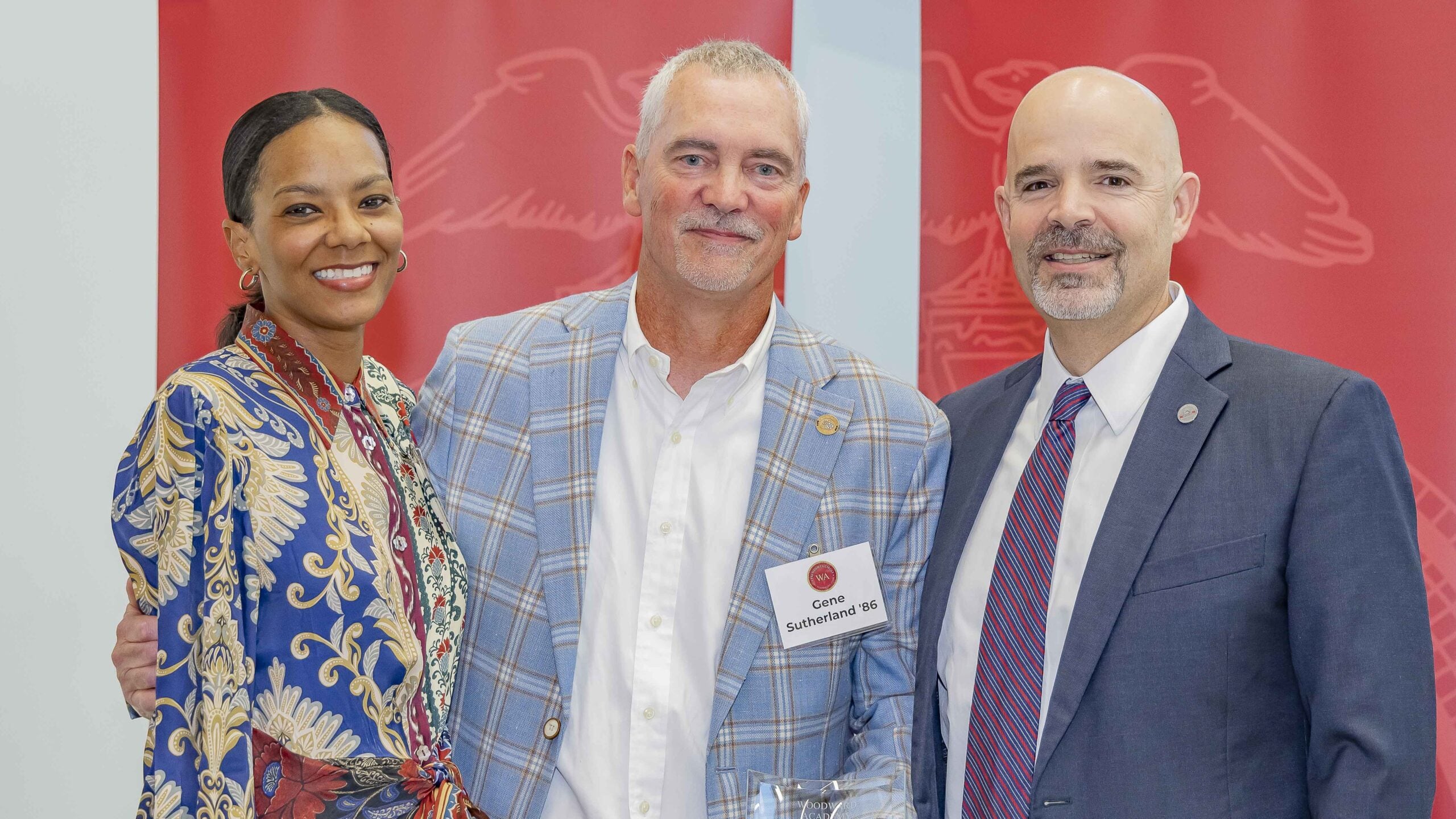
After more than three decades at Woodward Academy serving as a teacher, coach, dean, principal and administrator, I began my first year as president with a deep understanding of our institution and community. But I quickly discovered that knowing a school well is not the same as knowing what it feels like to be the final decision maker.
In many ways, my first year as head of school felt remarkably similar to my first year in the classroom. As a young teacher, success sometimes meant staying one lesson ahead of my students. No matter how much I prepared, the work itself became the real teacher. The same has proven true in my headship.
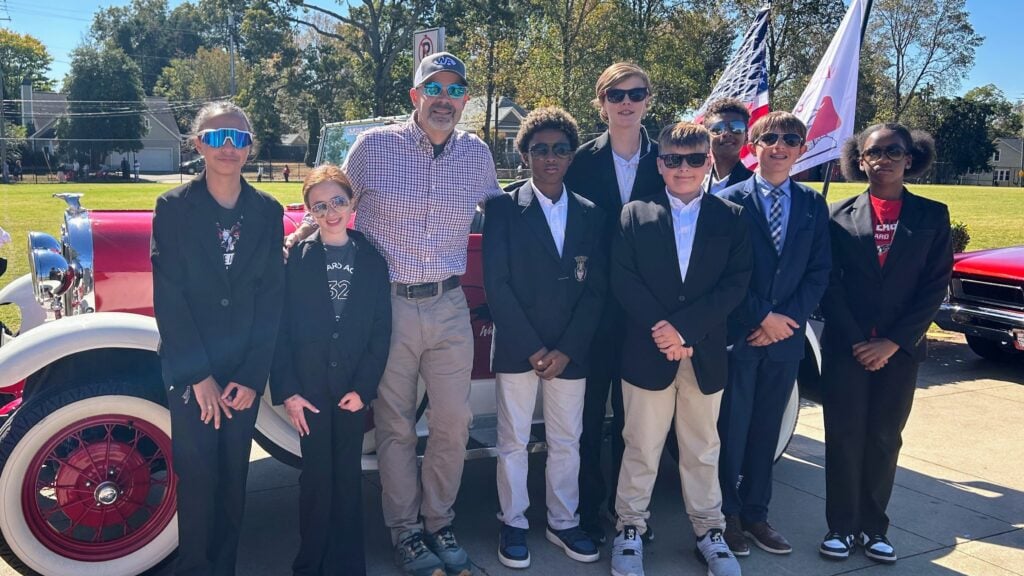
The pace is relentless, the responsibilities expansive, and the tension between immediate demands and long-term stewardship is constant. A head of school must be visible and accessible while also protecting space to listen, reflect, and lead with intention.
Amid this balancing act, one lesson has risen above the rest: Relationships are the heart of school leadership, and proximity within those relationships matters.
The Leadership Transition
Most heads of school enter the profession because they genuinely want to help people, especially students. We are problem solvers by nature. When conflict arises, the instinct to step in, mediate, and resolve the issue quickly can be difficult to resist.
I felt that pull throughout my first year. Yet I learned that declining to step into every conflict or attend every meeting simply because my involvement was requested can be a form of leadership in itself.
I also came to appreciate that my attention—whether explicit or implied—changes the dynamic. When a parent copies me in an email, a teacher or coach may feel the issue has been escalated. What might have been a candid exchange between the adults closest to a student may suddenly feel formal and high stakes. My presence, even at a distance, can unintentionally make honest dialogue more difficult.
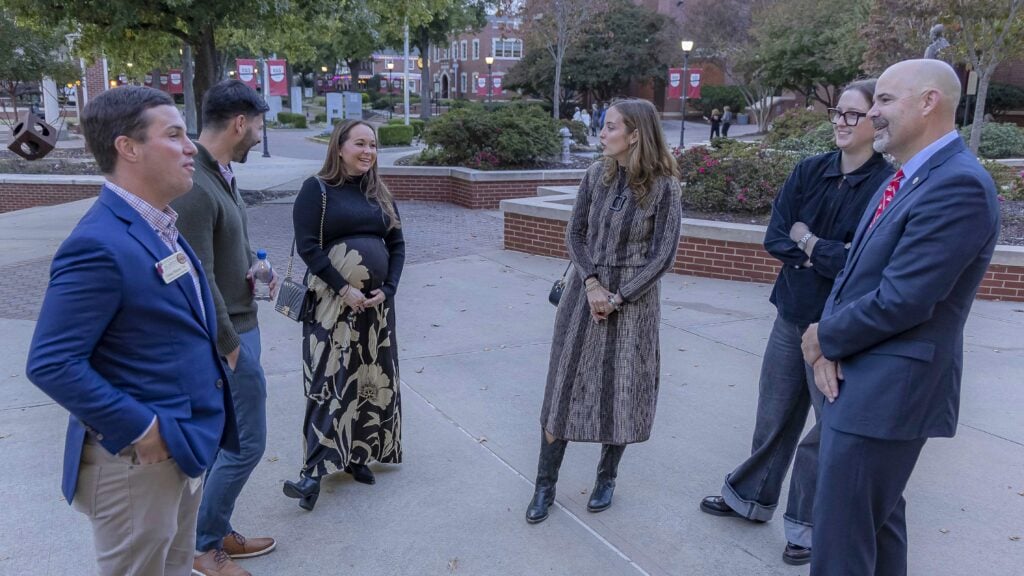
Why Proximity Matters
Schools are uniquely relational institutions. Organizational charts define responsibility, but relationships establish trust.
When conflicts arise, frustration can lead families to seek immediate intervention from the highest level of leadership. Some parents worry that addressing concerns directly with a teacher or coach could negatively affect their child. In my experience, the opposite is almost always true. Educators care deeply about young people and want them to succeed. Direct, respectful conversations usually strengthen the partnership around a student.
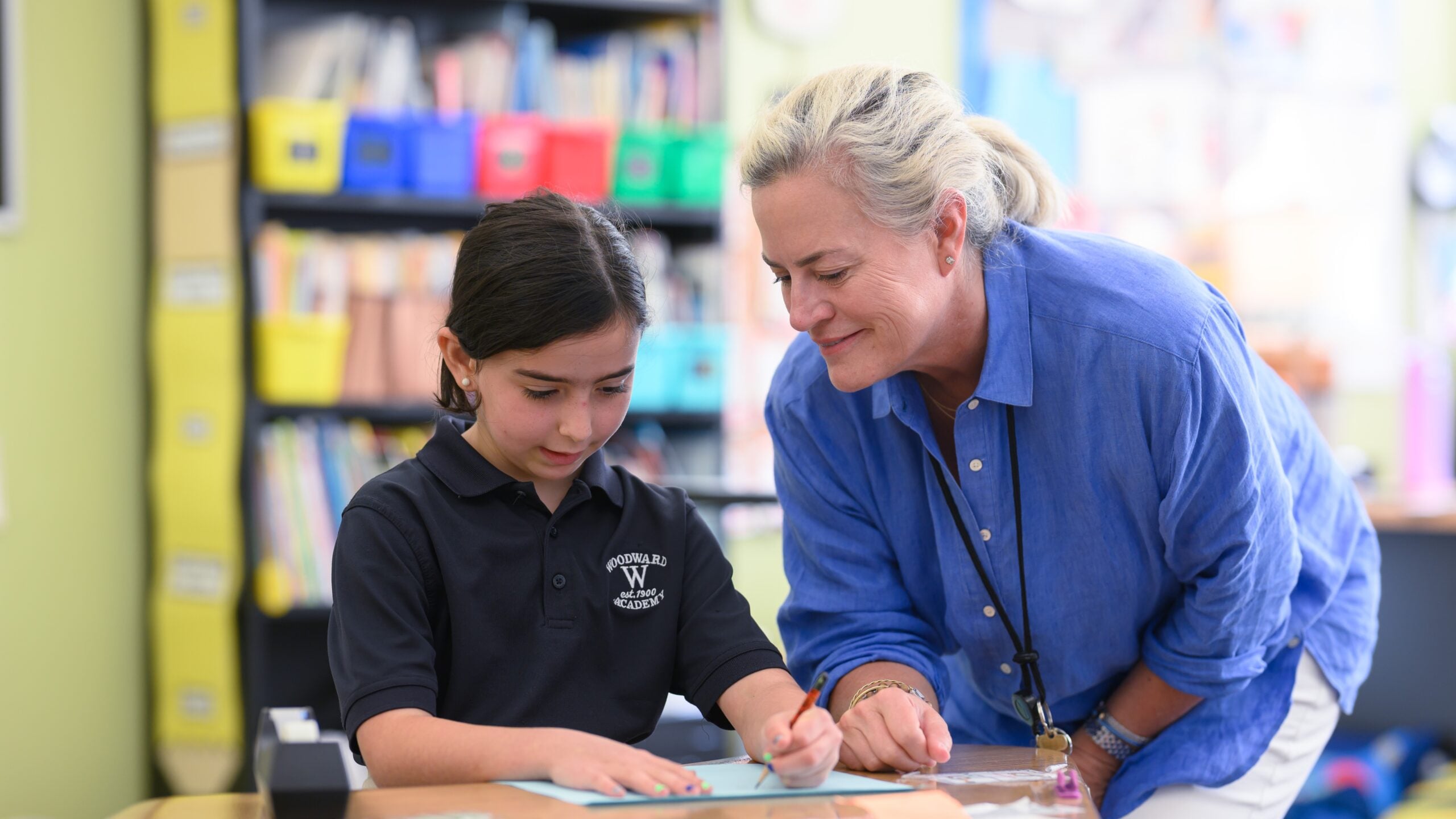
The adults closest to the student—the teacher in the classroom, the coach on the field, the director on the stage, the advisor who checks in each day—hold context that cannot be fully understood from a distance. They witness not only moments of struggle, but also patterns of growth, resilience, and progress.
My first year has reinforced that most conflicts are best resolved as close to the student experience as possible.
That requires heads of school to cultivate cultures rooted in trust. Our role is not to personally solve every problem but to ensure the right people have the support, authority, and confidence to solve the problems they are best positioned to address.
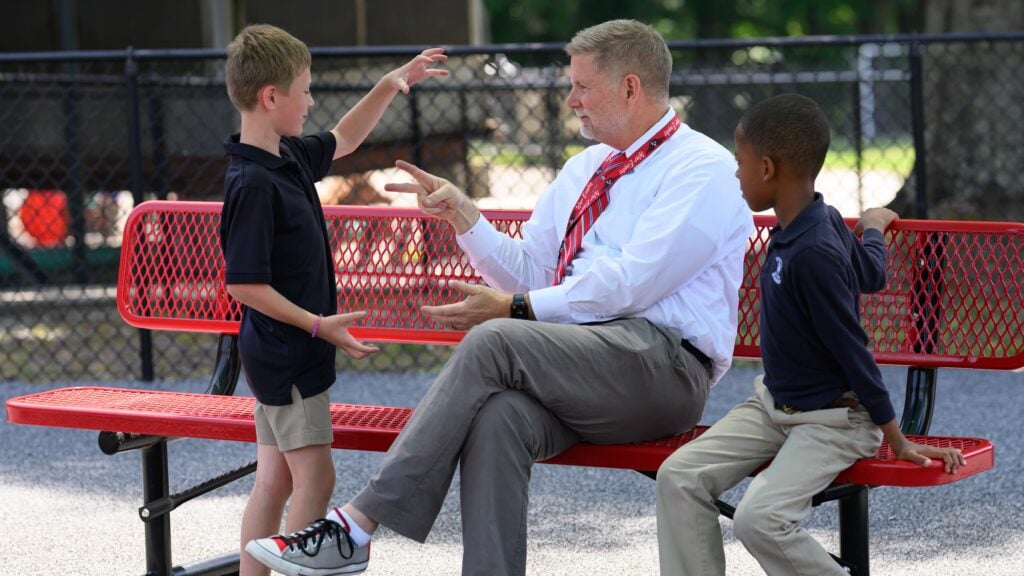
Cultivating a High-Trust Culture
Heads of school make difficult decisions, communicate through uncertainty, and balance competing priorities. But just as importantly, we are stewards of the relationships that define our communities. That means empowering teachers, supporting administrators, and reminding families that schools are strongest when trust exists among the adults who know students best.
In an era of rapid technological change and increasing social division, the relational character of independent schools matters more than ever. Trust cannot be mandated from the top. It is built one conversation and one relationship at a time.
My first year reminded me that while titles and responsibilities change, the fundamental work remains the same: invest in people, cultivate trust, and empower those closest to our students. They are, and always will be, our North Star.